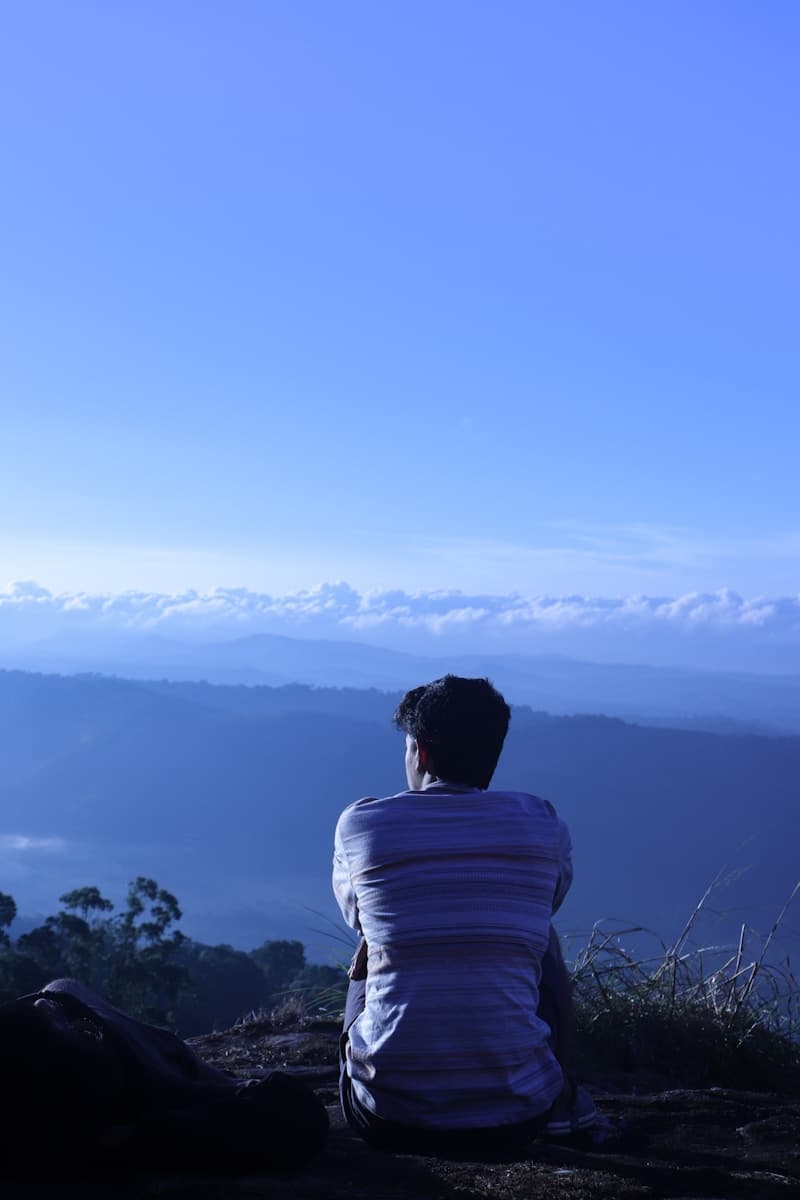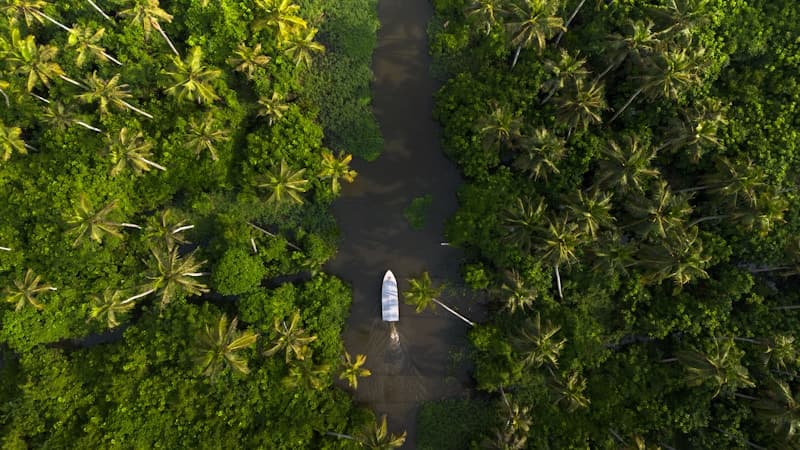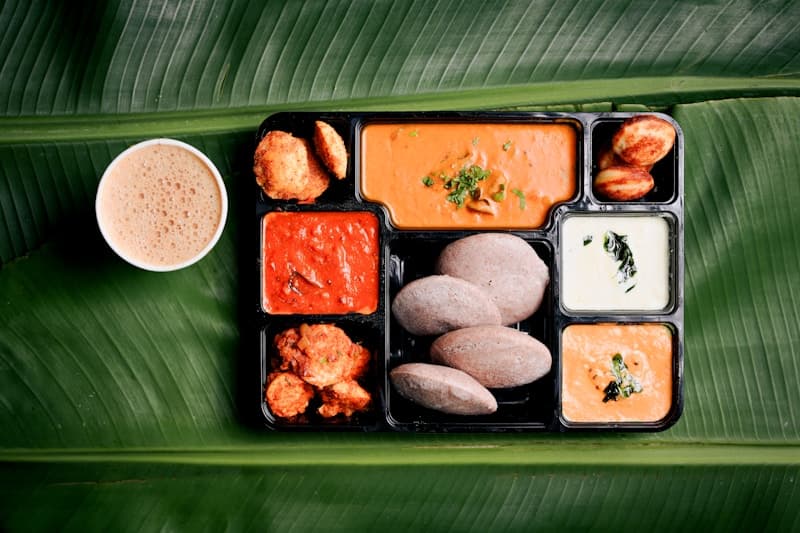
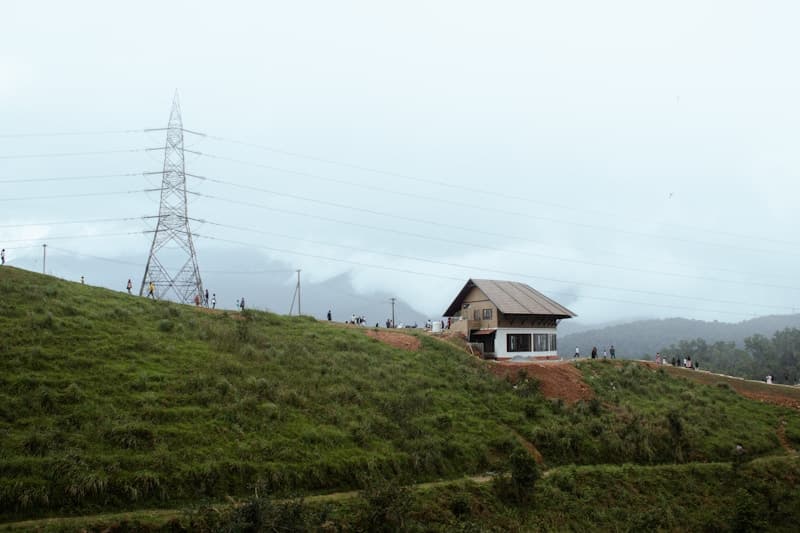
Kerala, often called “God’s Own Country,” is a destination that defies easy categorization. Stretching along India’s southwestern Malabar Coast, this narrow strip of land packs an astonishing diversity of landscapes, cultures, and experiences into its 38,863 square kilometers. From mist-covered tea plantations in the Western Ghats to the serene network of backwaters that thread through the coastal plains, every turn reveals something unexpected.
When to Visit Kerala
The best time to visit Kerala depends entirely on what you want to experience. The winter months from October to February offer the most comfortable weather — clear skies, moderate temperatures, and low humidity. This is peak season, which means higher prices and bigger crowds at popular spots like Munnar, Alleppey, and Kovalam.
But here’s a secret that seasoned travelers know: the monsoon season (June to September) transforms Kerala into something almost otherworldly. The landscape explodes in impossible shades of green. Waterfalls that are mere trickles in summer become thundering cascades. Ayurvedic treatments are considered most effective during this period, and prices drop dramatically across the board.
“Kerala isn’t one destination — it’s fourteen districts, each with its own rhythm, its own cuisine, its own version of paradise. The mistake most travelers make is trying to see it all in one trip.”
— A Tripiko Community Curator
Planning Your Itinerary
The single biggest mistake first-time visitors make is trying to cover too much ground. Kerala’s roads, while scenic, are winding and slow. What looks like a short distance on a map can easily take twice as long as Google Maps suggests. Our recommendation: pick two or three regions and explore them deeply rather than rushing through five or six.
For a 7-Day First Trip
Start in Fort Kochi for its colonial architecture, spice markets, and incredible food scene (two days). Head to Munnar for tea plantations and mountain trekking (two days). Then wind down with a houseboat cruise through the Alleppey backwaters and a day on Marari Beach (three days). This classic route gives you a balanced taste of Kerala’s diversity without the exhaustion of constant travel.
Plan this trip on Tripiko
Get personalized recommendations, book verified local experiences, and plan your Kerala itinerary collaboratively with friends.
Join Waiting ListGetting Around
Kerala’s public transport is surprisingly good for a state its size. The KSRTC bus network connects most towns, and the train route along the coast is both affordable and scenic. For more flexibility, hiring a car with a driver is the most popular option among tourists — expect to pay around INR 2,500-3,500 per day depending on the vehicle type and distance.
Auto-rickshaws are the kings of local transport. Always agree on a fare before getting in, or insist on the meter. In cities like Kochi and Thiruvananthapuram, ride-hailing apps work reliably. For the backwaters, public ferries offer a fraction of the cost of private houseboat cruises and are an authentic experience in themselves.
Budget Tips
Kerala can be as budget-friendly or as luxurious as you want it to be. Homestays — Kerala’s greatest accommodation secret — offer clean, comfortable rooms with home-cooked meals for INR 800-2,000 per night. Many homestay hosts become informal guides, sharing local knowledge that no guidebook can match. On the splurge end, Kerala’s luxury resorts and Ayurvedic retreats are world-class, with prices to match.